Gallery 01:18
Refine Results
Classification
Artists
Country
On view
Date
With image
Artist gender
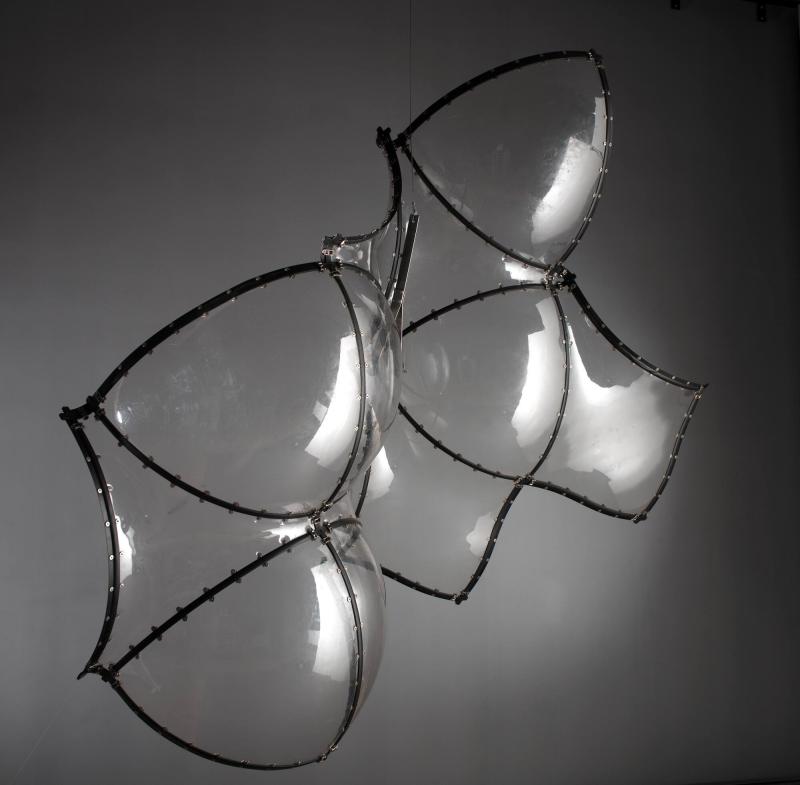
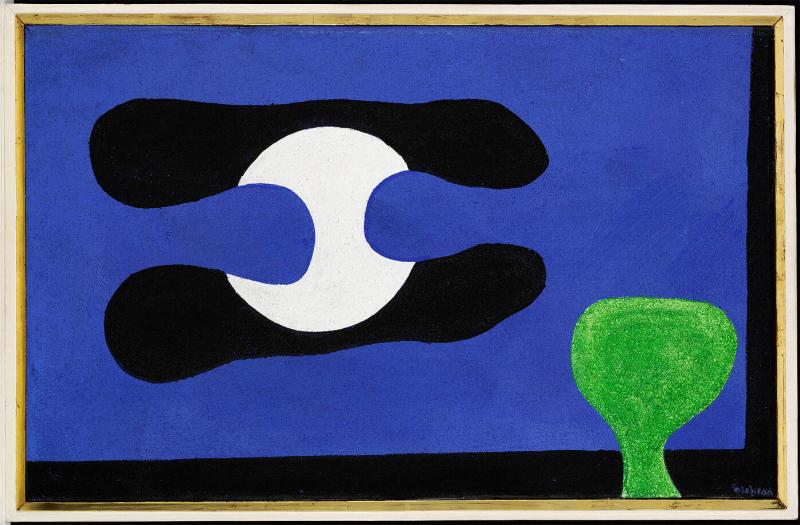
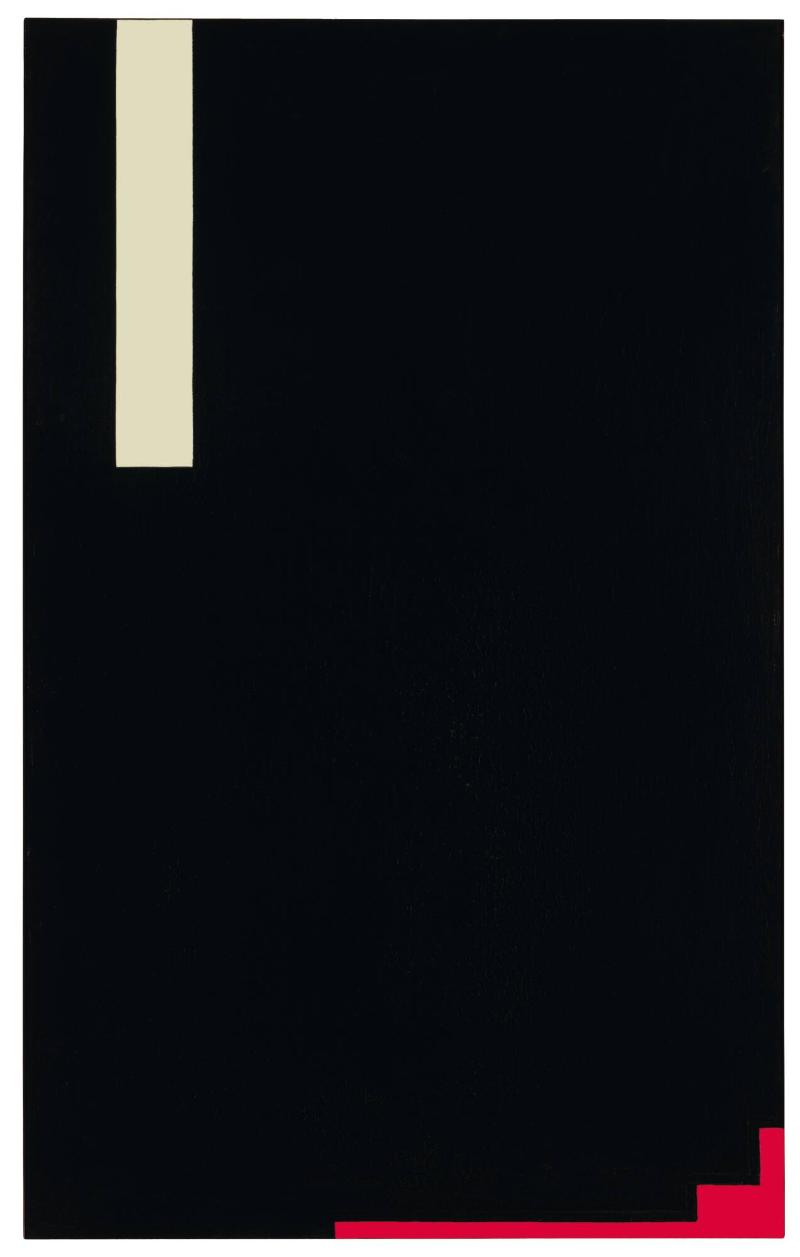
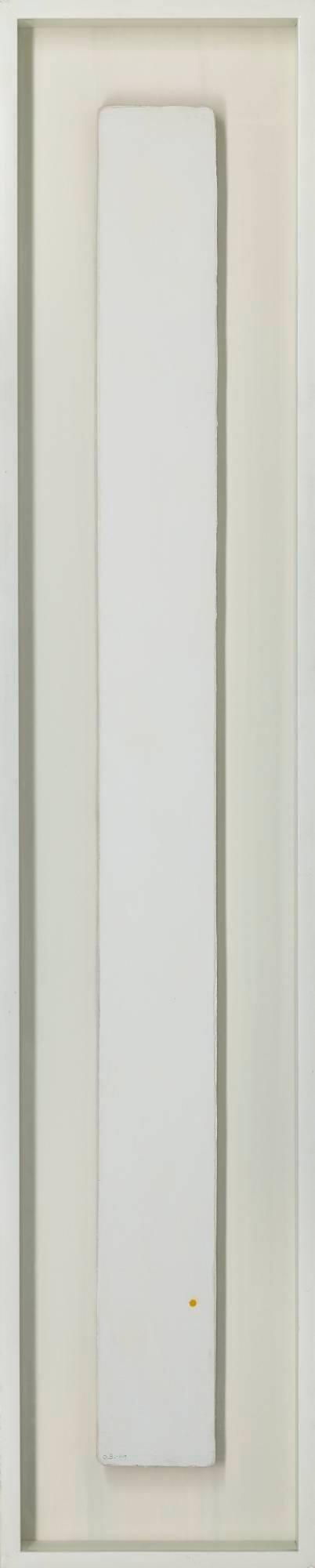
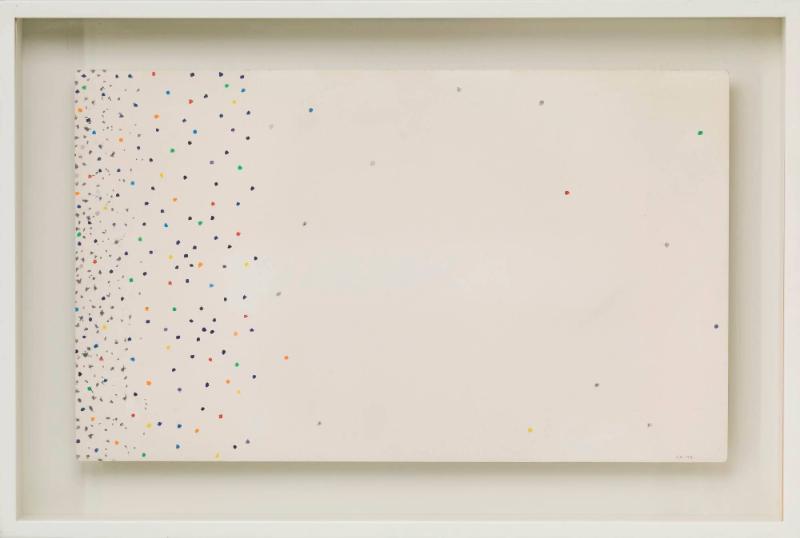
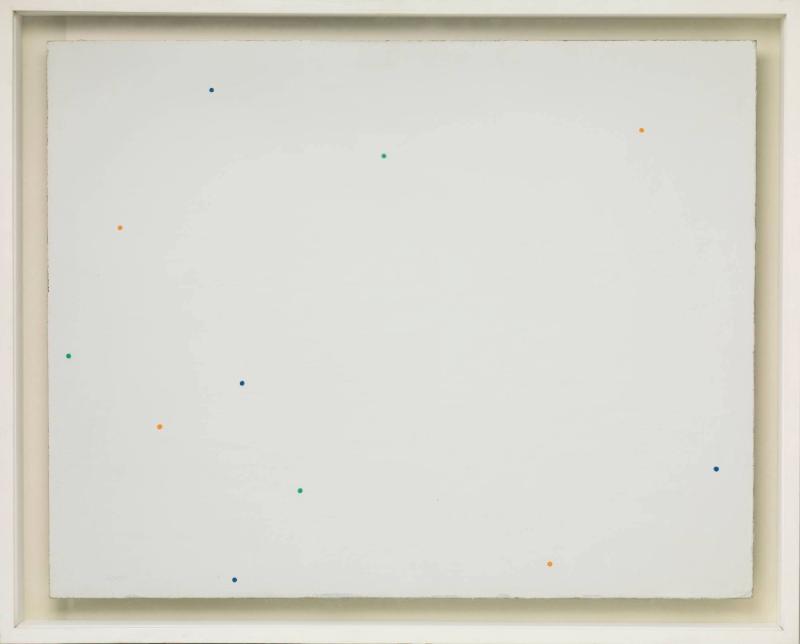
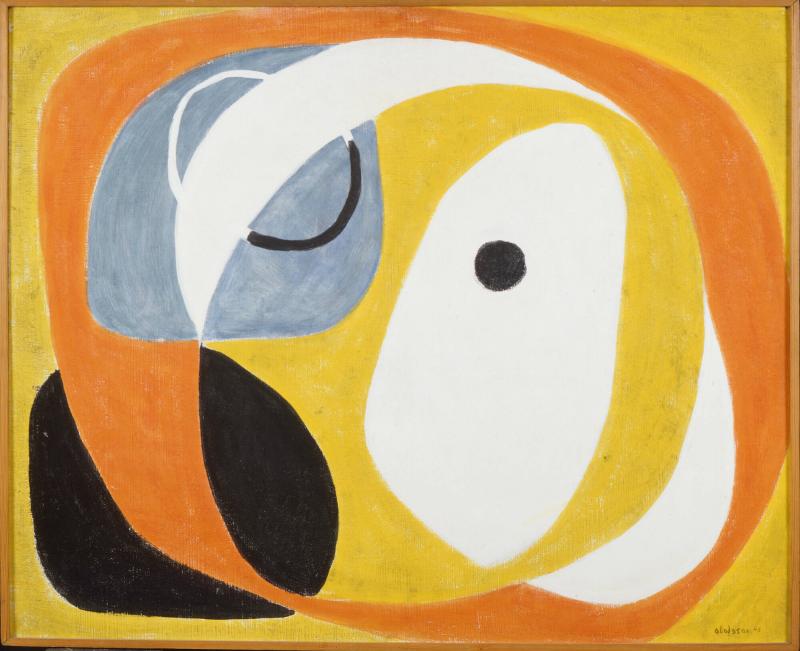
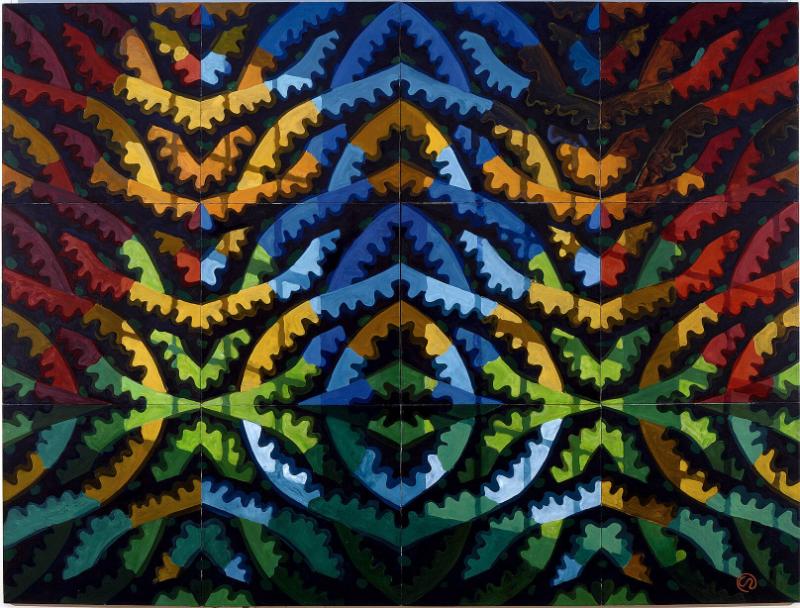
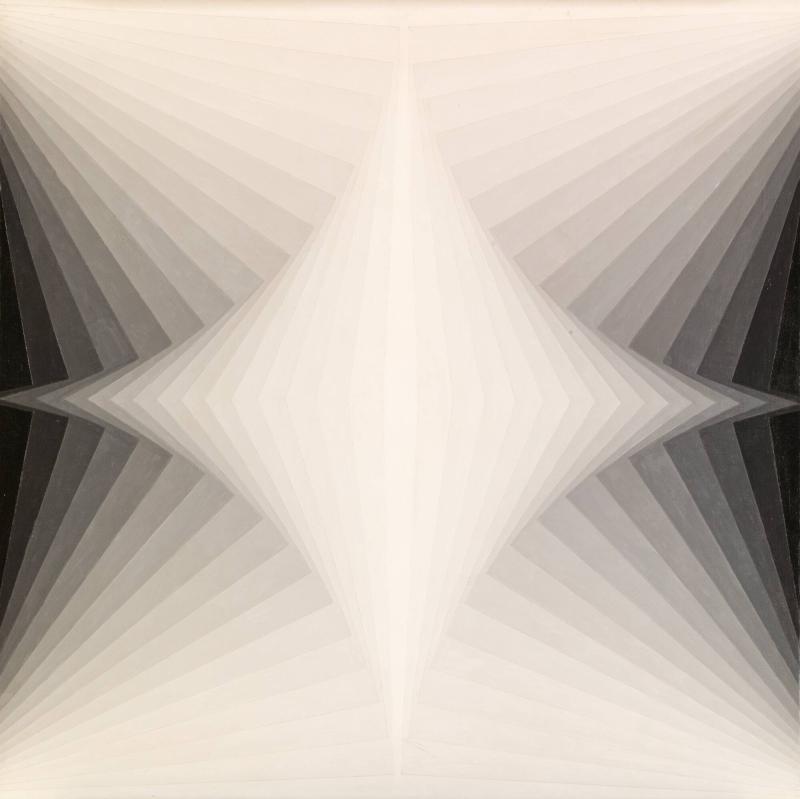
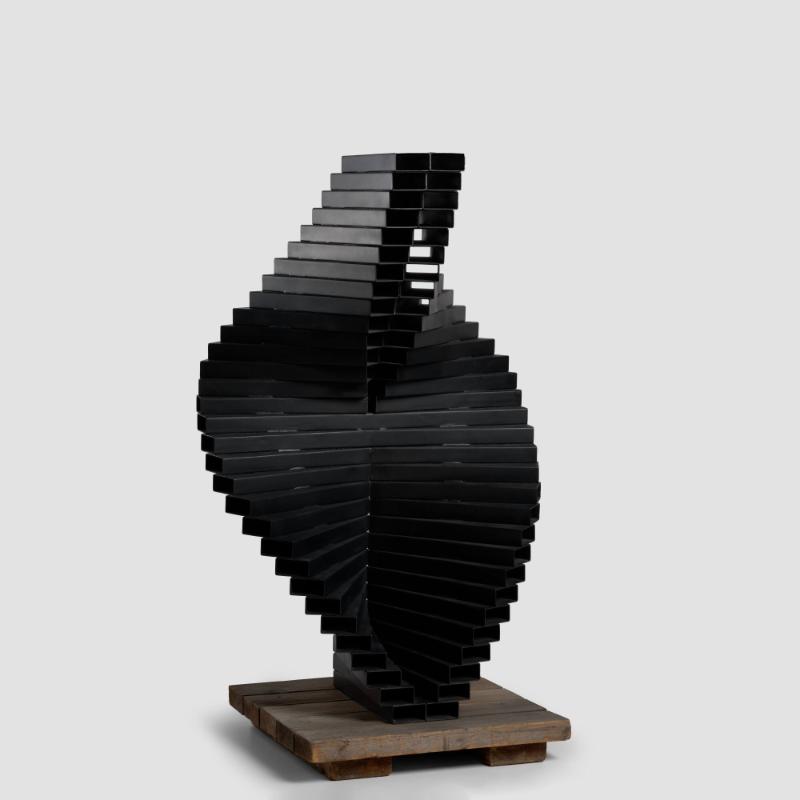
FORM, SPACE, MOVEMENTThe term “concrete art” was first coined in Paris in 1930 by the artist group Art Concret. They believed that geometric forms possessed universal validity, and that a painting should neither depict nor symbolise anything other than itself. In the aftermath of the Second World War, this non-representational visual language gained renewed relevance. Both in society and within the art world, there was a search for new ways of constructing and organising existence.When several Swedish artists began to engage with concrete art in the late 1940s, elements of figuration or abstraction lingered in some cases. This gallery presents works by some of the artists who came to be known as the “Men of 1947”, even though they never actually formed a group. Also on display here are works by other artists who also explored geometric forms, movement, space and volume across various materials. The vision of the “people’s home”, folkhemmet, was fundamental for the Swedish welfare state. One of its ambitions was to integrate art into everyday life. This led to many of these artists receiving commissions for the new public buildings and environments that emerged in post-war Sweden.